
Introduction
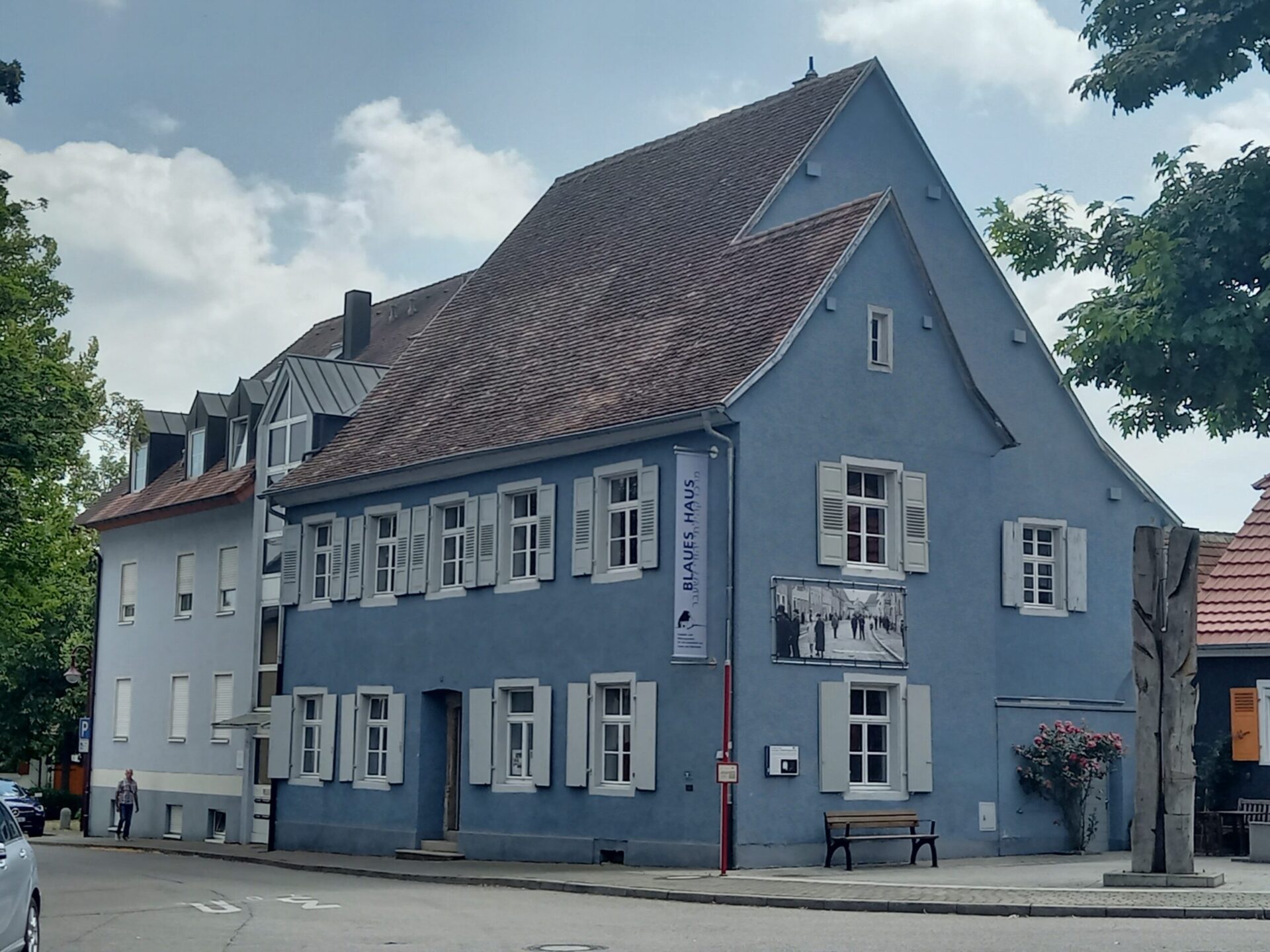
In Breisach am Rhein, just a few kilometers from the French border, the Blue House occupies a unique place within the regional cultural landscape. Behind its distinctive facade lies far more than a historical building.
The site raises broader questions about how European societies engage with memory, which histories become visible, and how fragile historical legacies are transformed into spaces of cultural transmission.
Through its history, the Blue House also illustrates how cultural places can function as mediators between memory, history and coexistence.
A Place Shaped by Jewish History in the Upper Rhine Region
Built in the eighteenth century, the Blue House remains one of the few spaces preserving the memory of Jewish presence in the Upper Rhine region.
For centuries, Jewish and Christian communities coexisted within this border area shaped by cultural, linguistic and economic exchanges between Germany, France and Switzerland.
Even today, traces of this history remain visible through the urban fabric of Breisach, local archives and the nearby Jewish cemetery.
The Blue House therefore preserves more than architectural heritage. It also safeguards the memory of a historical coexistence violently interrupted by the Nazi regime and exclusionary policies implemented from 1940 onward.
Between Memory and Cultural Transmission
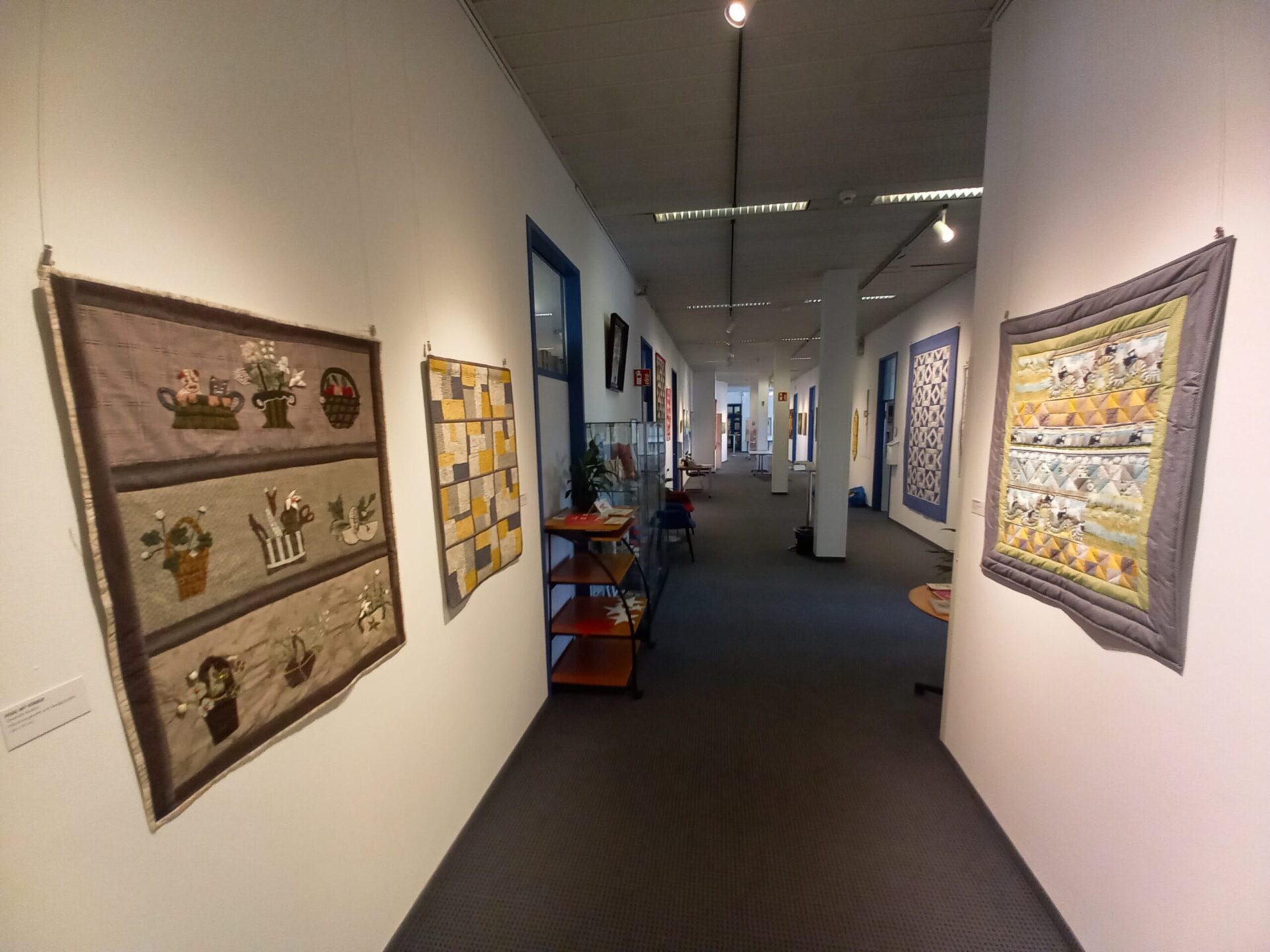
Since the early 2000s, a local association has worked to preserve the former Jewish community center and transform it into a space dedicated to remembrance and cultural dialogue.
Today, the site hosts:
- permanent exhibitions;
- educational programs;
- cultural encounters;
- initiatives focused on regional Jewish history.
This transformation is significant.
It demonstrates how heritage sites increasingly evolve beyond preservation alone to become active spaces of cultural mediation.
Memory here becomes a living practice: it is transmitted, contextualized and connected to contemporary reflections on European history and coexistence.
Cultural Spaces as Frameworks for Historical Understanding
The Blue House also reminds us that cultural dynamics are not shaped solely by major national institutions.
Smaller places — often located outside dominant cultural centers — play a crucial role in preserving historical narratives and transmitting local memories.
Such spaces frequently allow for a more situated understanding of history.
They make visible human experiences, historical ruptures and forms of coexistence that are sometimes marginalized within more institutional narratives.
In today’s European context, marked by renewed identity tensions and memory debates, this work of contextualization becomes increasingly important.
A Cross-Border Cultural Space
Located within a region historically shaped by European circulation and exchange, the Blue House also belongs to a broader transnational cultural dynamic.
For centuries, the Upper Rhine has functioned as a space where languages, cultures and memories continuously intersect.
Preserving a place like the Blue House therefore also means preserving a plural understanding of European history.
The site does not merely tell the story of a local community. It contributes to a wider reflection on coexistence, historical fractures and the conditions necessary for cultural dialogue in Europe.
A Living Memory
Today, the Blue House continues to welcome visitors, researchers and cultural actors while pursuing its work of transmission and mediation.
The site reminds us that cultural memory is never static.
It depends on the stories societies choose to preserve, the spaces they decide to make visible and the forms of dialogue they continue to sustain.
—
📝 Article originally published on the historical platform Ciel-Bleu.org and later editorially revised and harmonized for Ciel Bleu Kultur.