
Introduction
The annual Quiltclub exhibition at the Carl-Schurz-Haus in Freiburg extends far beyond a simple display of textile craftsmanship.
Through the artworks presented, the exhibition offers another reading of the city — one shaped by collective practices, cultural transmission and the relationship between artistic creation and urban memory.
At a time when cultural dynamics are often associated with major institutions or creative industries, initiatives such as this remind us that everyday cultural practices also contribute to the production of urban narratives.
An Exhibition Rooted in Freiburg’s Cultural Life
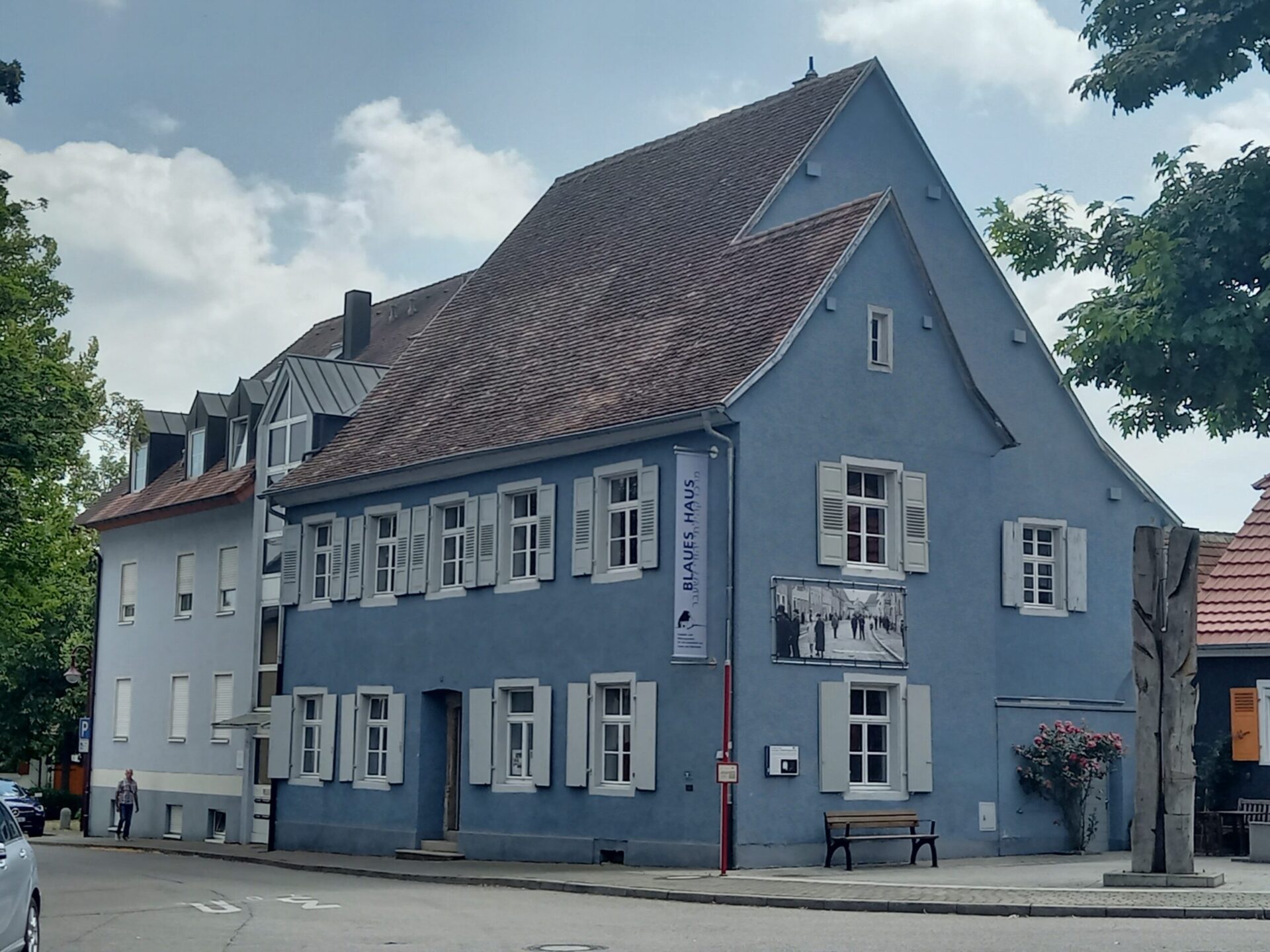
Every summer, the Carl-Schurz-Haus — the German-American Institute in Freiburg — hosts the Quiltclub exhibition, which has gradually become a recurring cultural event within the city.
The 2022 edition carried particular significance.
After two years marked by pandemic-related restrictions, the exhibition’s return symbolized the gradual reactivation of collective cultural practices and artistic encounters.
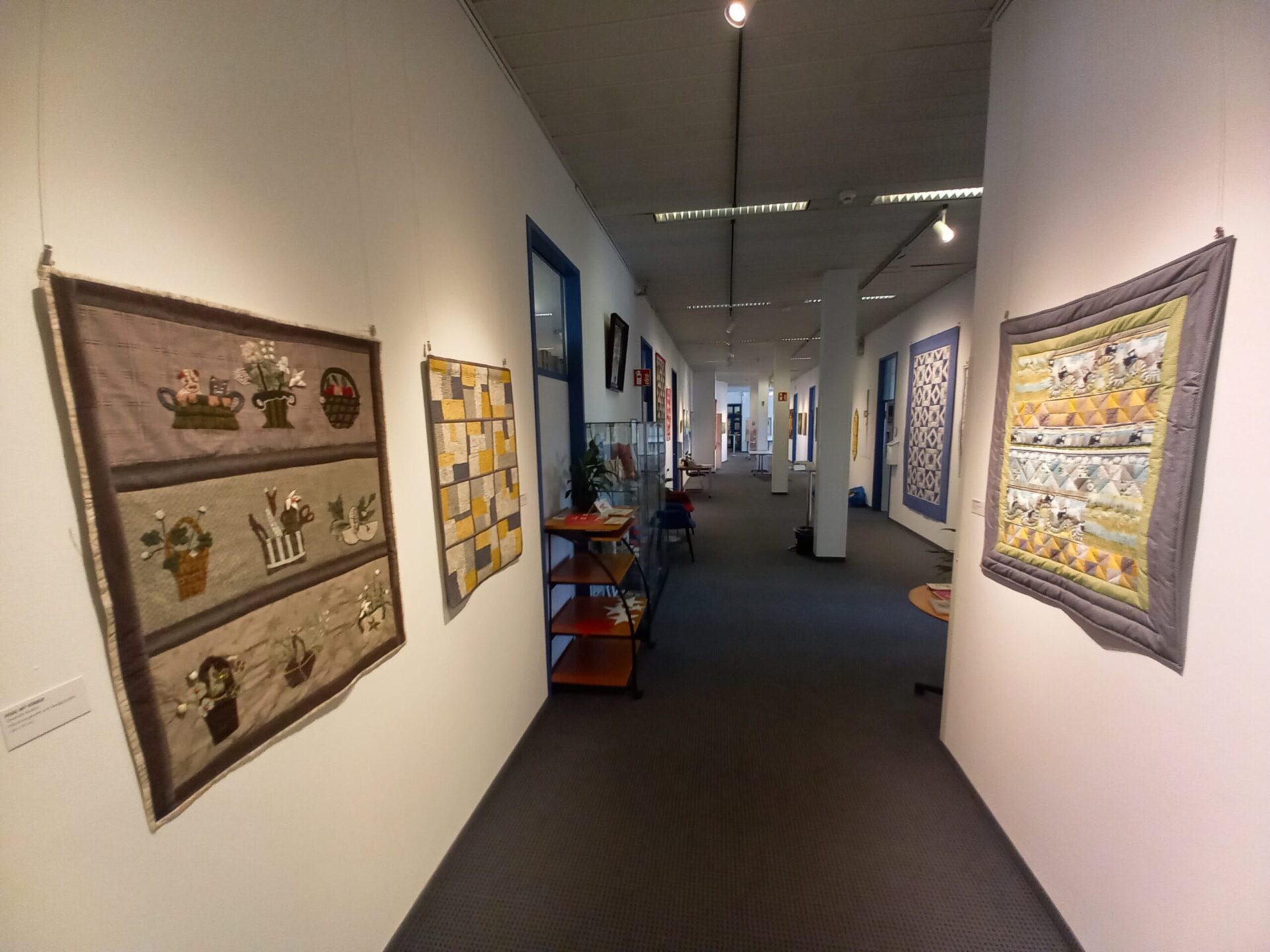
The works presented combined traditional quilts with contemporary textile creations in a wide variety of forms, patterns and compositions.
Yet beyond the textile object itself, the exhibition primarily highlighted a culture of connection and transmission.
Textile Art as a Cultural Language
Quilting belongs to a long-standing craft tradition in which textiles become spaces of memory, storytelling and collective expression.
In Freiburg, this practice takes on a specific dimension.
Several works directly referenced the city itself through representations of houses, landscapes, trees and motifs inspired by the urban and regional environment of the Black Forest.
Textile art therefore becomes a form of cultural representation.
It is no longer simply decorative craftsmanship, but a way of narrating territories, identities and shared experiences.
Collective Creation and Cultural Transmission
The exhibition also revealed a less visible dimension of cultural practices: their social role.
Several artworks were produced collectively or offered as birthday gifts among members of the club.
This logic of sharing transforms artistic activity into a relational space.
Creation here is not based solely on individual production, but on cooperation, knowledge transmission and forms of cultural sociability.
In this sense, Quiltclub functions both as an artistic workshop and as a small cultural community.
Intermediate Cultural Spaces
The exhibition also raises broader questions about the role of intermediate cultural institutions within European cities.
The Carl-Schurz-Haus does not function solely as an exhibition venue. It acts as a space of cultural circulation connecting local practices, transatlantic traditions and civic initiatives.
Such spaces often play a discreet yet essential role in sustaining urban cultural life.
They allow less visible cultural practices to emerge while contributing significantly to the structuring of local cultural ecosystems.
Another Reading of Cultural Dynamics
Through Quiltclub, Freiburg presents a form of culture grounded in continuity, participation and transmission.
The exhibition reminds us that contemporary cultural dynamics are not shaped exclusively through major events or institutional productions.
They also emerge through smaller collective practices capable of sustaining spaces of creativity, memory and social connection within the city.
—
📝 Article originally published on the historical platform Ciel-Bleu.org and later editorially revised and harmonized for Ciel Bleu Kultur.