
A global stage of structured representation
The Olympic Games are not merely an international sporting event.
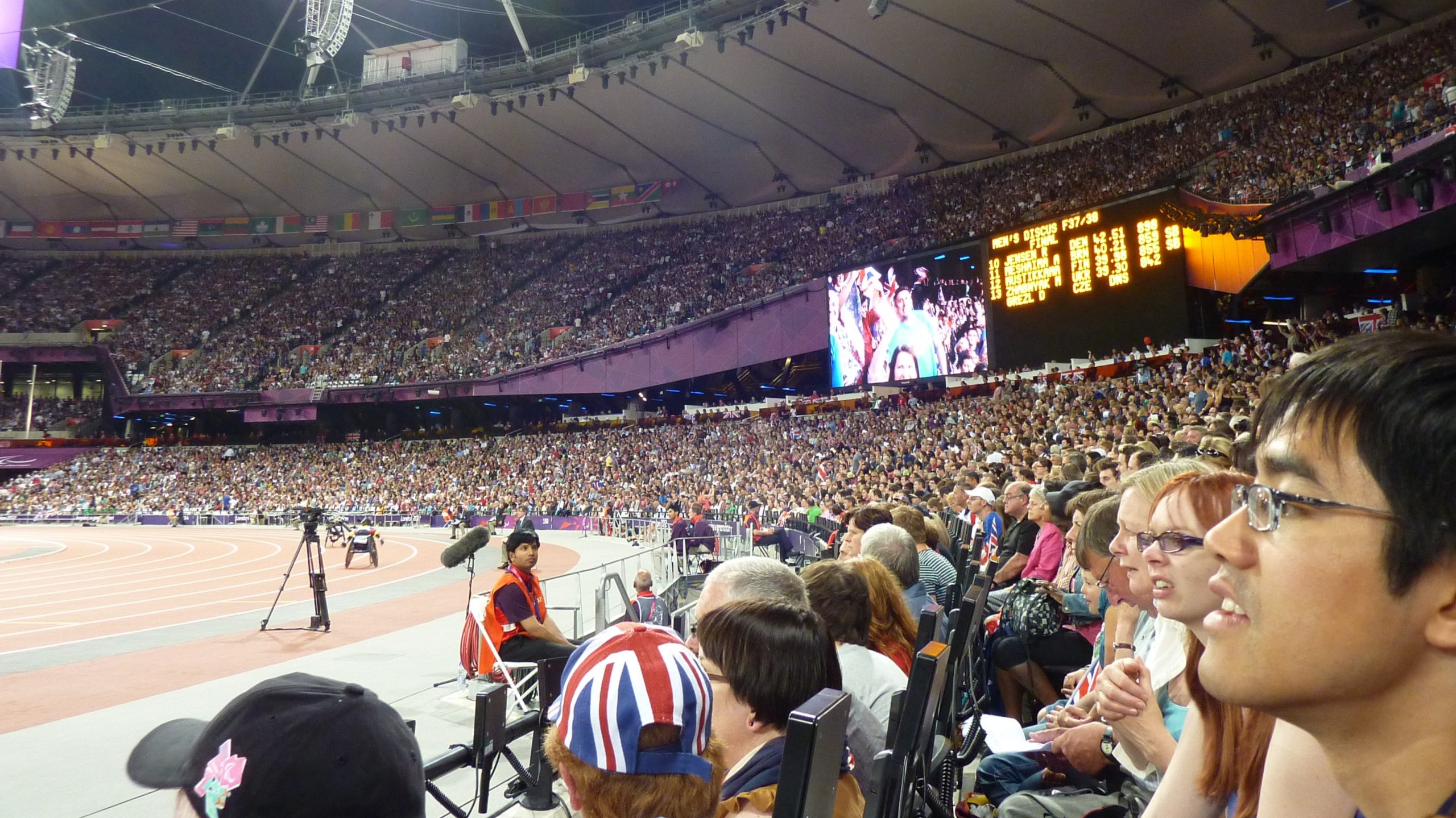
They constitute a global stage where nations are made visible not only through athletic performance, but through their ability to insert themselves into a worldwide architecture of visibility.
Within this configuration, sport becomes a secondary language. The primary framework is representation: each edition temporarily reshapes symbolic relations between states, territories and national narratives.
The event as a dispositif of state projection
Beyond competition, the Games organize the circulation of institutional signs.
They aggregate:
- images of organizational capacity
- narratives of national cohesion
- condensed cultural symbols
- forms of international legitimation
Opening and closing ceremonies, infrastructure and global media coverage become instruments of state projection within a saturated visibility space.
The Games as a global visibility economy
The Olympic Games operate within a global attention economy.
In this space, states, organizations and host cities do not merely stage an event; they position themselves within a hierarchized system of international visibility.
Sporting competition is therefore doubled by a symbolic competition:
a competition of narratives, images and projected identities.
Staging national identities
Each national participation functions as a condensed narrative form.
Delegations represent not only athletes, but symbolic configurations of:
- political histories
- cultural imaginaries
- geopolitical trajectories
- projected forms of modernity
The Games thus produce a temporary reading of the world through stabilized identities.
Culture, spectacle and global infrastructure
The Olympic Games rely on a hybrid infrastructure:
sporting, media, political and cultural at once.
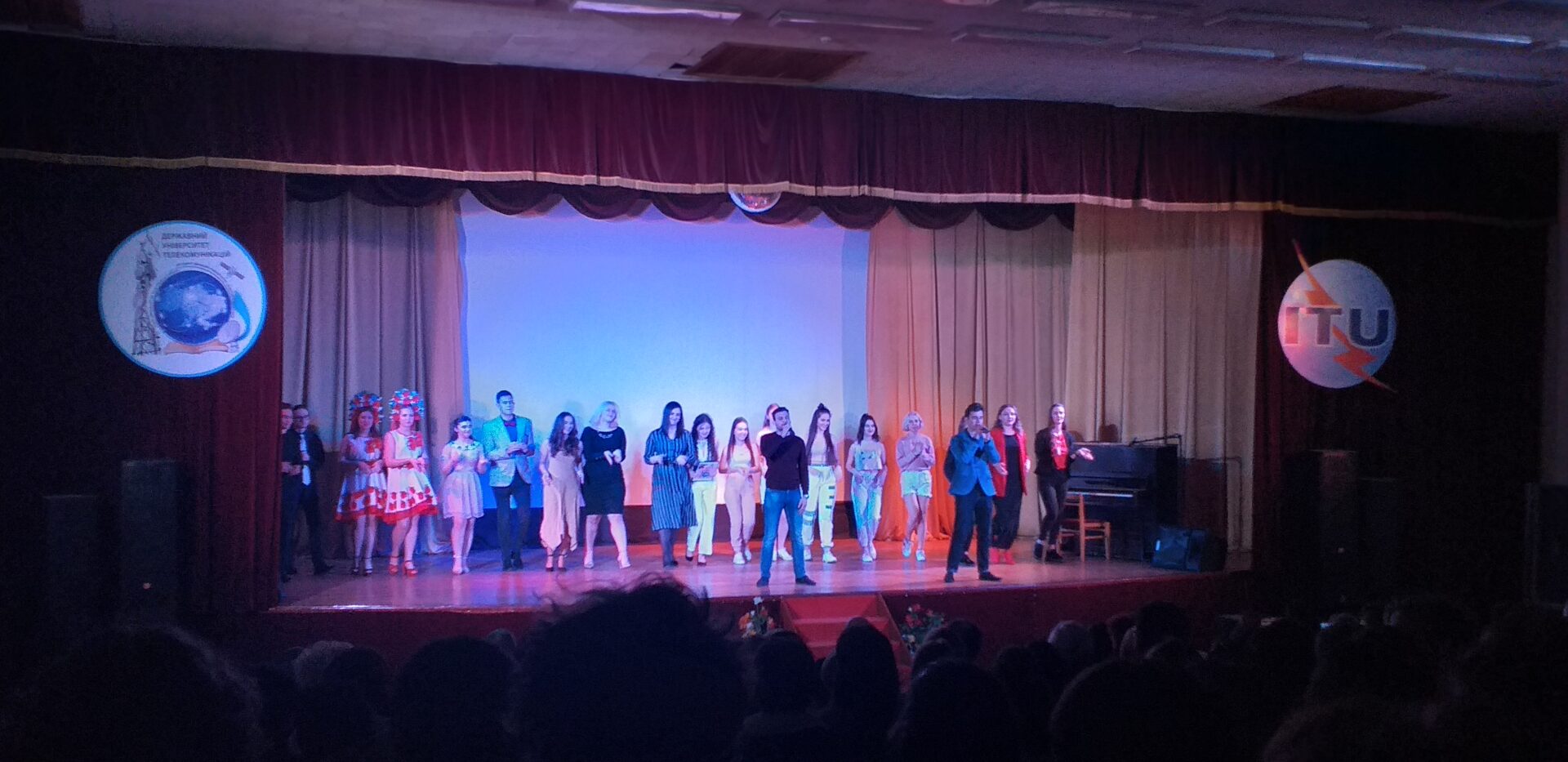
Ceremonies, artistic performances and audiovisual systems transform the event into a global narrative space.
Culture here does not operate as autonomous content, but as a mediating structure between states and global visibility.
A global scene as grammar of the contemporary world
The Olympic Games are not simply a sporting event.
They function as a global grammar of representation:
a system in which symbolic positions of international actors are temporarily redistributed.
From this perspective, the Games become a way of reading the contemporary world, where power, image and legitimacy are tightly interwoven.
—
📝 Originally published on the historical platform Ciel-Bleu.org, then editorially revised and harmonized for Ciel Bleu Kultur.